
An energy engineering conference for academia and industry
AXIS 2027 (Aberdeen eXchange for Industry & Science) is an international conference on energy engineering: mechanics, integrity and innovation across oil and gas, offshore engineering, renewables, hydrogen and carbon storage. It is organised in Aberdeen by the AXIS 2027 Organising Committee, led by Dr Henry Tan, who founded the ECM symposium series.
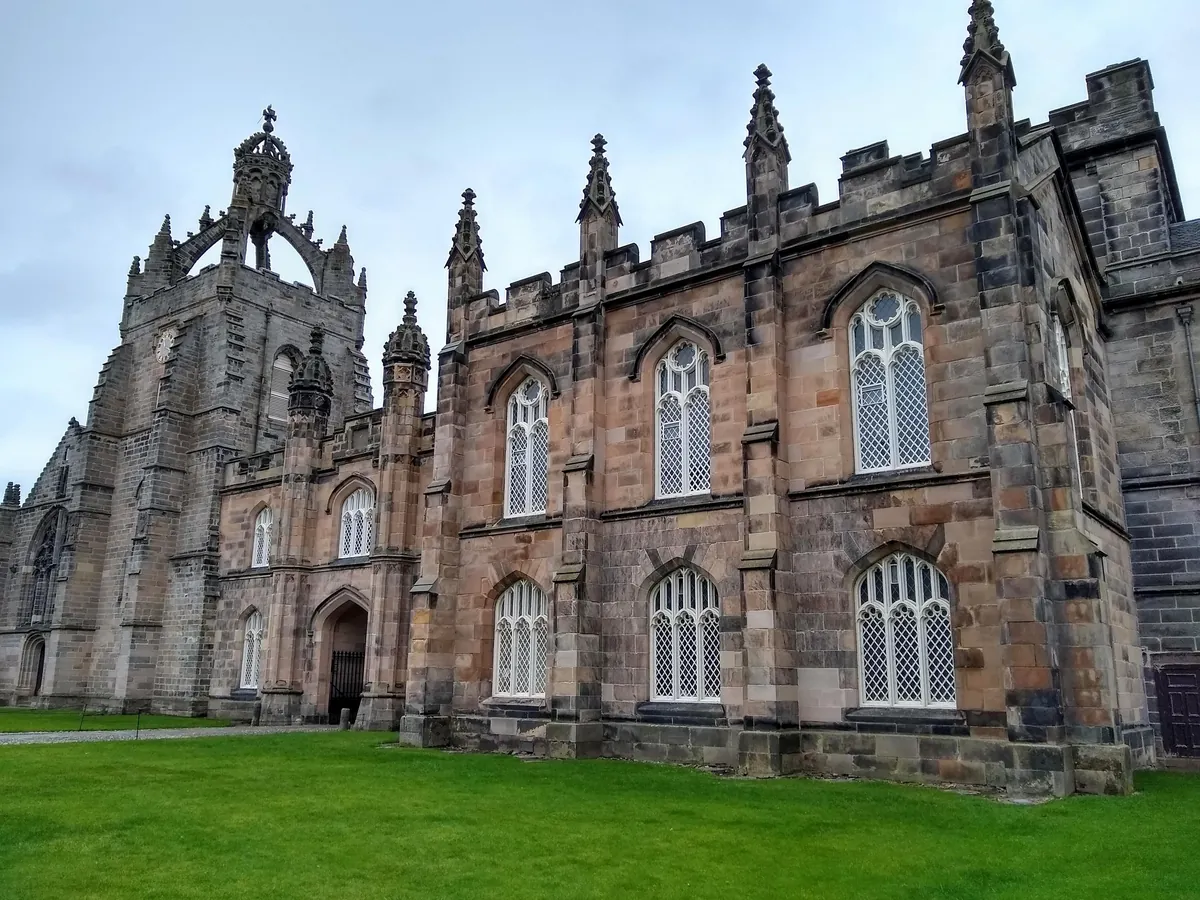
Why the conference exists
Energy runs on engineering. Platforms, wells and pipelines have to stay safe for decades past their design life, floating structures have to survive North Sea storms, hydrogen can embrittle steel, caprock has to hold stored CO₂ for centuries, and fifty years of offshore assets need a new use. Researchers working on these problems and the engineers responsible for the assets do not often attend the same conferences.
At AXIS, each track will have an academic co-chair and an industry co-chair. Field case studies are peer-reviewed alongside research papers. In the Challenge Exchange, companies present technical problems to research teams: science in dialogue with industry.
Bon Accord, Aberdeen's motto since the fourteenth century, means "good agreement". The company being formed to run the conference takes its name from it.
What has changed since the ECM symposia
Broad energy science, from nuclear to quantum
Eight tracks on conventional and emerging energy
Strong in 2014, then mostly academic
An industry co-chair planned for every track, plus the Challenge Exchange
In-house journal
Proposed indexed proceedings and a journal special issue
None
Partnerships, exhibition, named awards and grants
None
Talent wall, mentoring breakfast, careers panel, PGR showcase and certificates recording learning hours
Scottish hospitality and the image competition
A Scottish welcome, a gala dinner with a ceilidh, and the Research Image Competition
We started this conference so that researchers working on the future of energy can meet the engineers who design, run and maintain its assets. It runs for three days in April in Aberdeen, which has been the base of the North Sea industry for fifty years.
Ten symposia since 2014
Programme guides from the Energy Challenges & Mechanics series and its successors, held in Aberdeen, Inverness and Manchester.
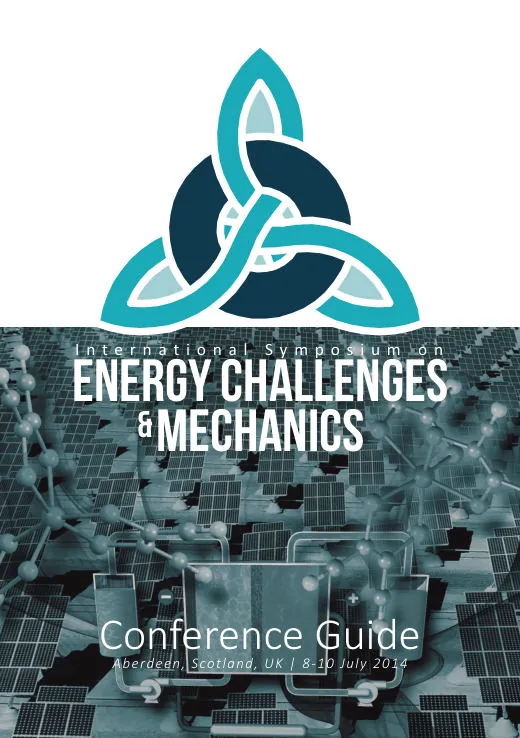 ECM1Aberdeen · July 2014
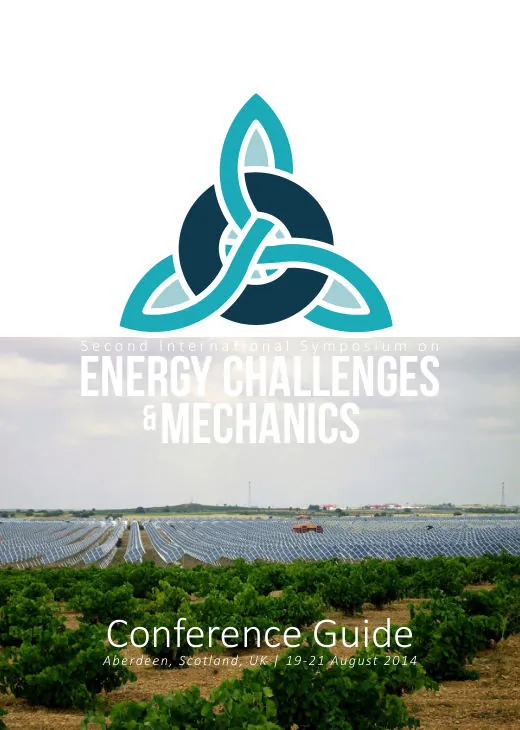 ECM2Aberdeen · August 2014
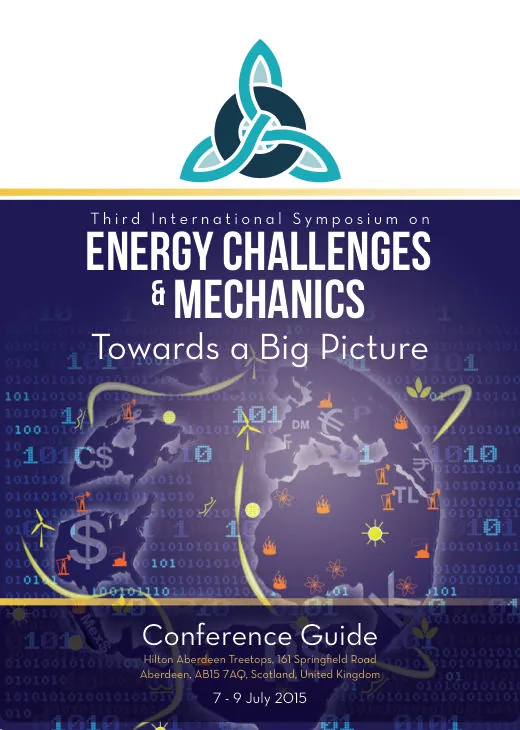 ECM3Aberdeen · July 2015
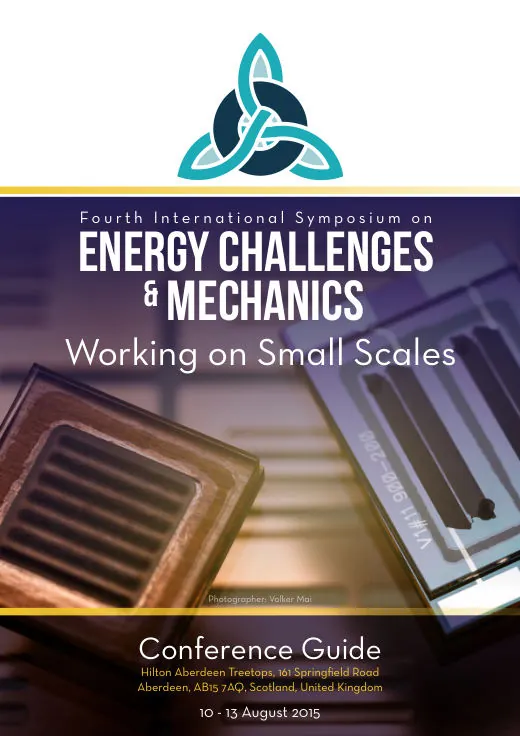 ECM4Aberdeen · August 2015
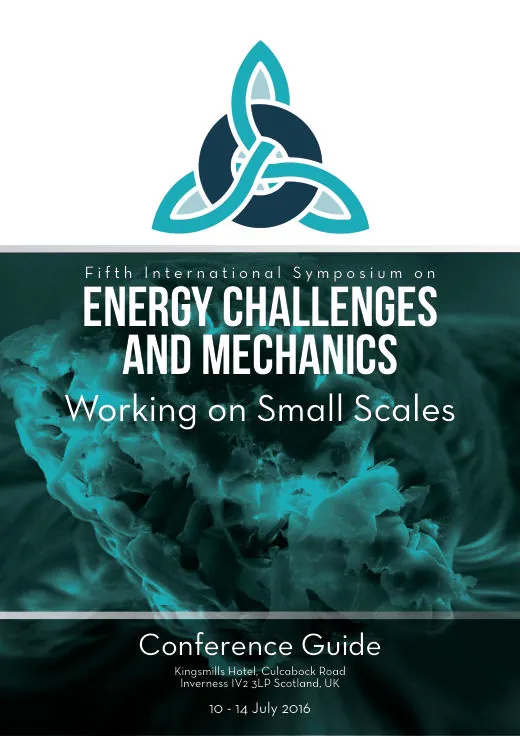 ECM5Inverness · July 2016
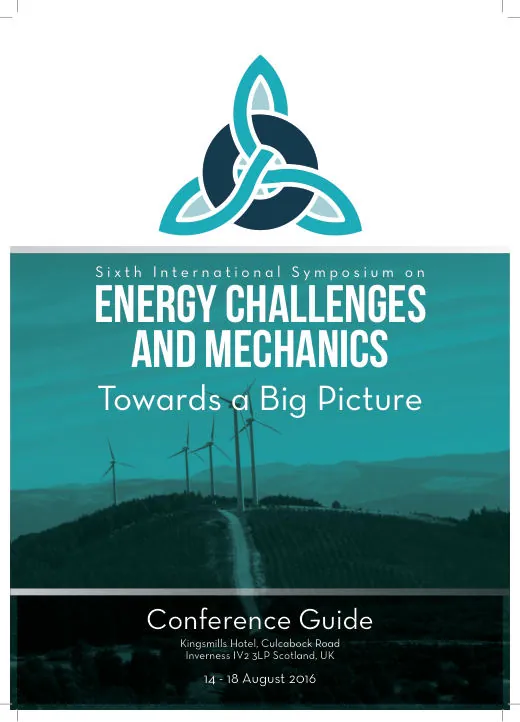 ECM6Inverness · August 2016
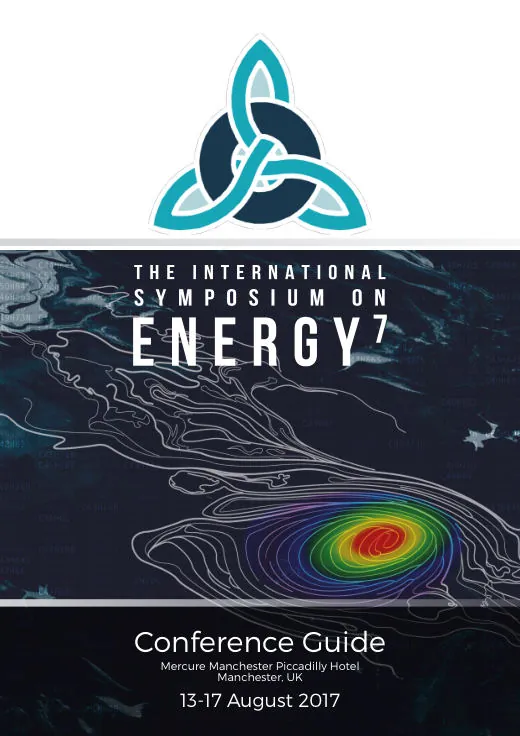 Energy7Manchester · August 2017
 Quantum1Aberdeen · June 2018
 Mechanics1Aberdeen · July 2018
 Energy8Aberdeen · August 2018
Previous speakers and talks
A selection of talks from the series since 2014, grouped by the AXIS tracks. Affiliations are as they were at the time of each talk. These are past speakers, not the AXIS 2027 programme; confirmed speakers are on the keynotes page.
Track 1Subsurface, CO₂ Storage & Wells
-
Dr Weiming Li
Schlumberger PetroTechnical Services, Houston, United States
Candidate well screening for refracturing in the Eagle Ford Shale July 2014
-

Dr Olga Kresse
Schlumberger, Sugar Land, Texas, United States
Modelling complex hydraulic fracturing in naturally fractured formations and integration to production optimisation workflow July 2014
-

Dr Emad Mousavi
Aker Solutions
Quantitative integrity analysis for engineering systems July 2015
-
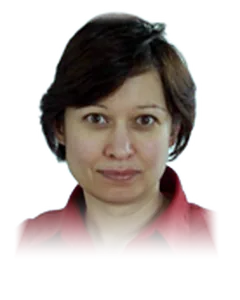
Dr Alexandra Ivanova
GFZ German Research Centre for Geosciences, Potsdam, Germany
Impact of temperature on CO₂ storage in a saline aquifer based on fluid flow simulations and seismic data July 2014
-
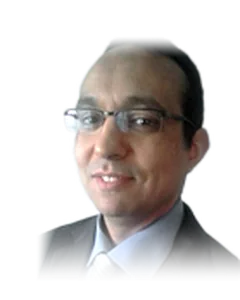
Dr Zakaria Saadi
Institute of Radiological Protection and Nuclear Safety (IRSN), France
TOUGH2/EOS7Rn as a reliable numerical modelling tool for the exploration of fractured groundwater and geothermal reservoirs July 2014
-
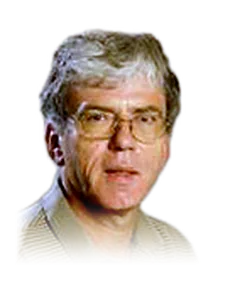
Prof Jean H. Prévost
Princeton University, United States
One-way versus two-way coupling in reservoir-geomechanical models July 2014
-

Prof Haiying Huang
Georgia Institute of Technology, Atlanta, United States
Drilling mud loss in a natural fracture: a PKN fracture geometry model based analysis July 2014
-

James Pettigrew
Ocean Energy Safety Institute, Texas A&M University, United States
Ocean Energy Safety Institute July 2015
-
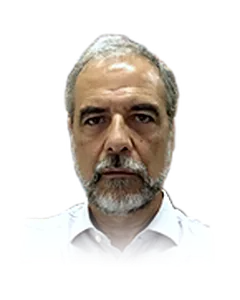
Prof Jean Pierre von der Weid
Pontifical Catholic University of Rio de Janeiro, Brazil
Automatic cleaning and inspection tools for offshore risers August 2016
-

Prof J. Samuel Arey
EPFL and Eawag, Switzerland
TAMOC-c simulations of the aqueous dissolution of petroleum fluids in the deep sea during the 2010 Deepwater Horizon disaster August 2016
Track 2Floating Wind & Marine Renewables
-
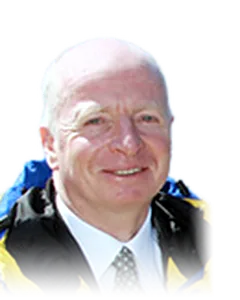
Neil Kermode
European Marine Energy Centre (EMEC), Orkney, United Kingdom
Marine energy: news from the north July 2014
-

Dr Biljana Stojkovska
National Grid, United Kingdom
Integration of offshore transmission networks in the UK July 2014
-
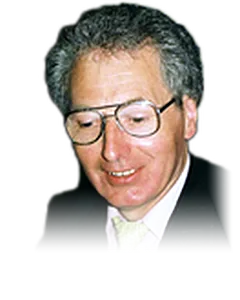
Brian Hurley
Wind Site Evaluation Ltd, Dublin, Ireland
Offshore wind: a significant natural resource of the North Atlantic July 2014
-

Prof Ian G. Bryden FRSE
University of the Highlands and Islands, United Kingdom
Marine energy, a personal perspective July 2014
Marine energy: what now? August 2016
-

Dr Athanasios Kolios
Cranfield University, United Kingdom
Reliability analysis of complex limit states of floating wind turbines July 2014
-

Dr Julieta Schallenberg-Rodríguez
University of Las Palmas de Gran Canaria, Spain
Offshore wind and wave energy: combined generation in islands and coastal regions. The Canary Islands August 2016
-
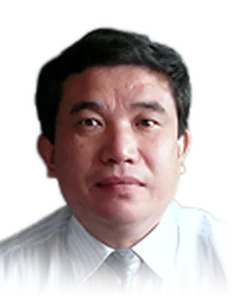
Prof Zhi-Xin Wang
Shanghai Jiao Tong University, China
The key technologies and development of offshore wind farms in China July 2014
-
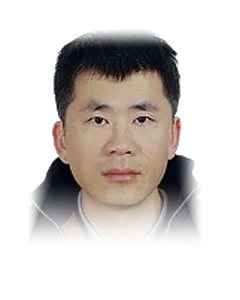
Prof Shiu-Wu Chau
National Taiwan University, Taiwan
Aerodynamic and aeroacoustic prediction of a wind turbine rotor for a 2 MW horizontal-axis design under the rated condition August 2016
Track 3Hydrogen, Storage & Conversion
-
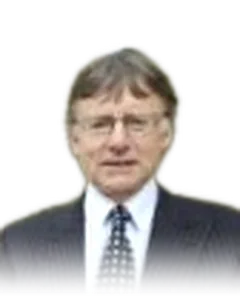
Prof Kevin Kendall FRS
University of Birmingham, United Kingdom
Rise of China: fuel cells, hydrogen and batteries August 2018
-
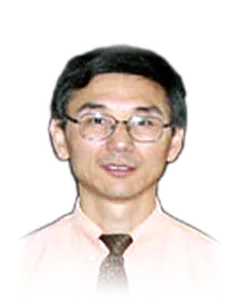
Prof Yiguang Ju
Princeton University, United States
Alternative fuels: challenges and opportunities of combustion research July 2014
-
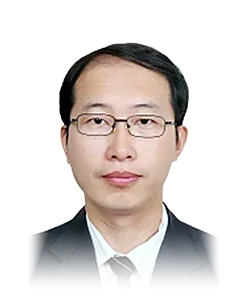
Dr Weizhong Qian
Tsinghua University, Beijing, China
Highly efficient hydrogen production from methane with a nanosized Fe/Al₂O₃ catalyst August 2015
-
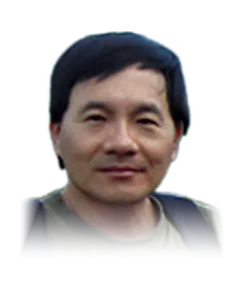
Prof Wei-Hsin Chen
National Cheng Kung University, Taiwan
Hydrogen and syngas production from the catalytic partial oxidation of methane with carbon dioxide addition July 2014
-
Dr Romain Moury
Université de Montpellier and Max-Planck-Institut für Kohlenforschung, France and Germany
Hydrazine borane and derivatives for solid-state hydrogen storage August 2015
-

Dr Iwona Flis-Kabulska
Institute of Physical Chemistry, Polish Academy of Sciences, Warsaw, Poland
Hydrogen evolution on cathodes of Ni, Ni-Fe and Fe during alkaline water electrolysis August 2015
-

Manuel Langemann
Forschungszentrum Jülich, Germany
Validation and characterisation of suitable materials for bipolar plates in PEM water electrolysis August 2015
-

Prof María J. López
University of Valladolid, Spain
Computer simulation of the role of palladium doping on the hydrogen storage capacity of nanoporous carbons August 2015
-
Prof Emil Roduner
University of Stuttgart, Germany
Hydrogen storage and on-board generation for mobile applications August 2014
-
Prof Avner Adin
The Hebrew University of Jerusalem, Israel
Electrocoagulation-flocculation hybrid processes in relation to hydrogen cogeneration August 2015
-
Dr Vaia Adamaki
University of Bath, United Kingdom
Ti-suboxide structures for water splitting August 2015
Track 4Materials, Fatigue & Structural Integrity
-
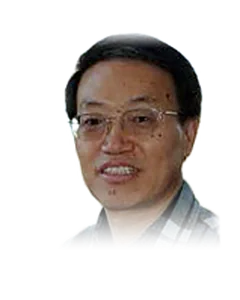
Dr Chongmin Wang
Pacific Northwest National Laboratory, United States
Atomic to nanoscale probing of structural and electrochemical evolution of energy storage materials under dynamic operating conditions July 2014
-
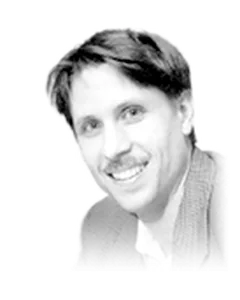
Dr Glenn J. Martyna
IBM Watson Research Center, United States
The piezoelectronic transistor: a nanoscale strain-based transduction device for fast, low-power switching August 2014
-
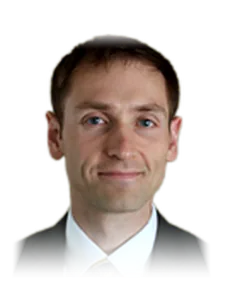
Dr Mitchell R. Anstey
Sandia National Laboratories, United States
Redox non-innocence: enhancing the stability and performance of flow battery electrolytes July 2014
-

Dr James P. Lewicki
Lawrence Livermore National Laboratory, United States
Smart composites: well-defined, hierarchical silicone/carbon architectures with novel physical properties July 2014
-

Dr Yasuko Kajiwara
Mitsubishi Gas Chemical Company, Tokyo, Japan
Investigation into the distribution of oligomer within glass fibre reinforced plastic using SIMS August 2014
-

Dr Mathew D. Halls
Schrödinger Inc., United States
Accelerated discovery of organic photovoltaic materials through atomic-scale simulation August 2015
-

Prof Robert McMeeking
University of California, Santa Barbara, and University of Aberdeen, United States and United Kingdom
The generation of stress in the storage particles of lithium-ion batteries July 2014
-
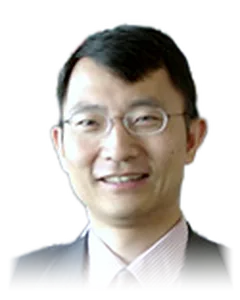
Prof Huajian Gao
Brown University, United States
Modelling mechanical degradation in thin-film electrodes for high energy density lithium batteries July 2014
-
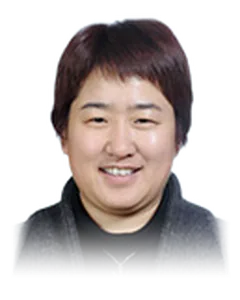
Prof Haixia (Alice) Zhang
Peking University, China
High-performance triboelectric generator with micro-nano dual structures July 2014
-
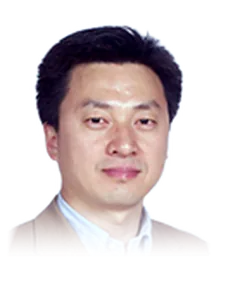
Prof Yanglong Hou
Peking University, China
Graphene-based nanocomposites for lithium batteries and fuel cells July 2014
-
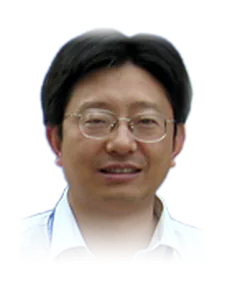
Prof Limin Qi
Peking University, Beijing, China
Structural control of metal oxide nanomaterials for Li-ion batteries July 2014
-
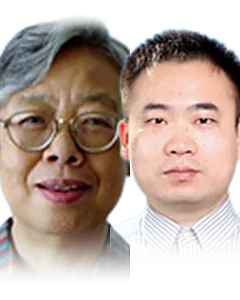
Prof Jing Zhu and Prof Jun Luo
Tsinghua University, Beijing, China
High-performance fuel cells based on one-dimensional nanostructures July 2014
-
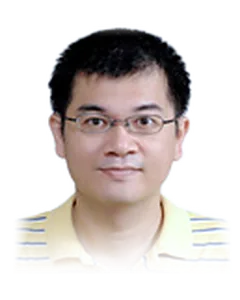
Prof Kuan-Jung Chung
National Changhua University of Education, Taiwan
Evaluating the capacity fade of Li-ion batteries using a double dynamic stress accelerated degradation test July 2014
-

Prof Pedro Gómez-Romero
CSIC and ICN2, Barcelona, Spain
From nanometres to terawatts: pending breakthroughs in materials for energy August 2014
-
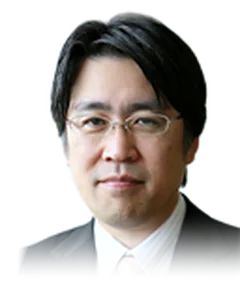
Prof Nobuyuki Imanishi
Mie University, Tsu, Japan
Aqueous Li-air rechargeable battery with protected lithium electrode July 2014
-
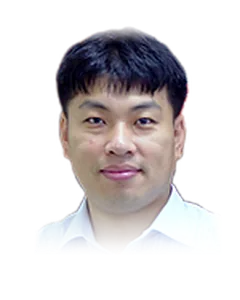
Prof Jinwoo Lee
Pohang University of Science and Technology (POSTECH), Republic of Korea
Soft and hard templated functional ordered mesoporous materials for high-performance Li-ion batteries July 2014
-

Dr Andrea Bianco
INAF Brera Astronomical Observatory, Merate, Italy
A new approach for light energy harvesting based on photochromic electrets July 2014
-

Paulina Chabera
Warsaw University of Technology, Poland
Fabrication and characterisation of composite materials based on porous ceramic preform infiltrated by elastomer August 2015
Track 5Digital Twins, AI & Robotics
-
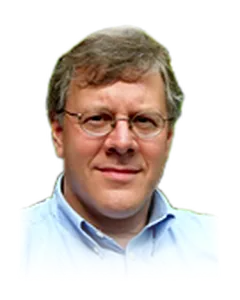
Frans Campfens
Alliander, The Netherlands
Big data and smart meters: a new approach for smart energy management solutions August 2016
-
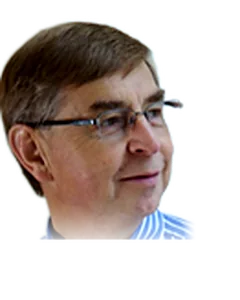
Prof Peter Cochrane OBE
Qatar Computing Research Institute, Doha, Qatar
Small data, big impact August 2017
-
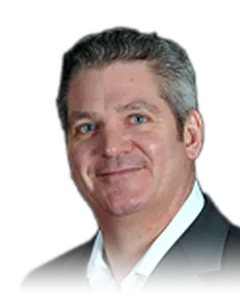
Dr Paul W. Seccombe
GE Oil & Gas, Europe, United Kingdom
Predictive analytics and diagnostics drive effectiveness in condition-based monitoring July 2015
-
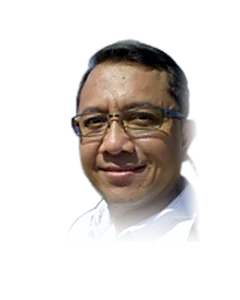
Andhika Prastawa
Agency for the Assessment and Application of Technology, Jakarta, Indonesia
Single-hidden-layer artificial neural network for a solar energy potential prediction model in Indonesia: southern Sulawesi August 2014
-

Prof Winncy Y. Du
San José State University, United States
Pipeline leak detection technologies using sensors and robots July 2015
-
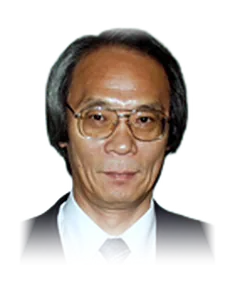
Prof Toshiaki Kanemoto
Kyushu Institute of Technology, Kitakyushu, Japan
Operation of an intelligent wind power unit July 2014
-

Prof Mrudang Mehta
Dharmsinh Desai University, India
Cooperative optimisation of energy efficiency and fault tolerance for wireless sensor networks July 2015
Track 6Energy Systems, Skills & Just Transition
-
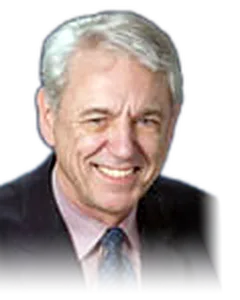
Prof George W. Crabtree
Joint Center for Energy Storage Research, Argonne National Laboratory, United States
JCESR: a new paradigm for battery research July 2014
-

Dr Julia Nesheiwat
U.S. Department of State, Washington DC, United States
Japan's post-Fukushima reconstruction: a case study for implementation of sustainable energy technologies August 2014
-
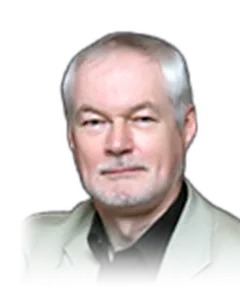
Dr David Mousdale
beòcarta Ltd, Glasgow, United Kingdom
Oil-mageddon: will biofuels survive a low oil price economy? July 2015
-
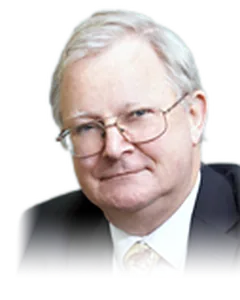
Prof Michael Kelly FRS FREng
University of Cambridge, United Kingdom
Future energy needs and engineering reality August 2014
-

Helen Steiniger
Next Kraftwerke GmbH, Germany
Digital, flexible, sustainable: the power market of the future August 2017
-
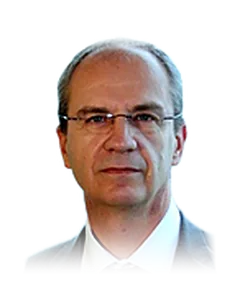
Prof Philippe A. Tanguy
Total, Berlin, Germany
Challenges of energy transition July 2015
-

Prof Jailson B. de Andrade
Federal University of Bahia, Brazil
Challenges in energy August 2014
-
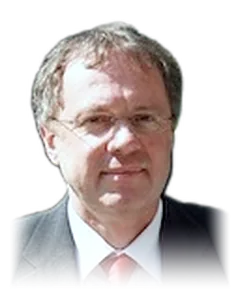
Prof Michael Düren
University of Giessen, Germany
DESERTEC and beyond: options of a global energy transition August 2016
-
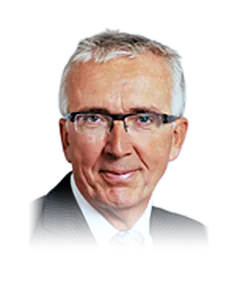
Dr Hans-Wilhelm Schiffer
World Energy Council, London, United Kingdom
The global energy landscape beyond the here and now August 2017
-
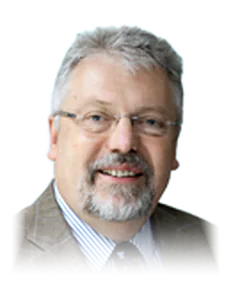
Prof Jürgen-Friedrich Hake
Forschungszentrum Jülich, Germany
Fundamentals of energy systems transformation August 2014
-
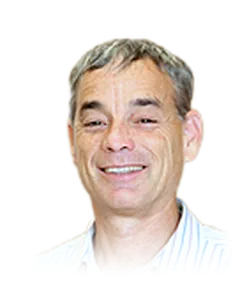
Moty Kuperberg
NRGPrice, Haifa, Israel
The new energy era July 2015
-

Katherine Weingartner
Ecologic Institute, Berlin, Germany
Societal drivers and barriers of energy transition July 2015
Track 7Decommissioning & Repurposing
-
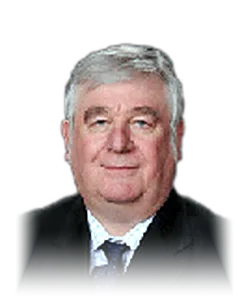
Dr Christopher Fowler
Exova Group, United Kingdom
The cost of corrosion: the impact study July 2014
-

Robbie Williamson
Wood Group Kenny, Aberdeen, United Kingdom
Subsea integrity management: collaboration and lessons learned July 2014
-

Glen Littlejohn
Xodus Group, Aberdeen, United Kingdom
Offshore pipelines in-line inspection: practicalities, planning and maximising benefit July 2014
-
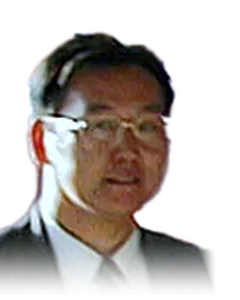
Dr Yijun Shen
MCS Kenny, Newcastle upon Tyne, United Kingdom
Technical challenges of high-pressure, high-temperature and deepwater operations on subsea flexible risers July 2014
-
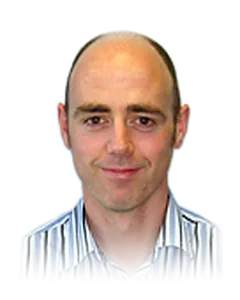
Dara Williams
MCS Kenny, Galway, Ireland
The effects of modelling techniques and data uncertainty on wellhead fatigue life calculation July 2014
-
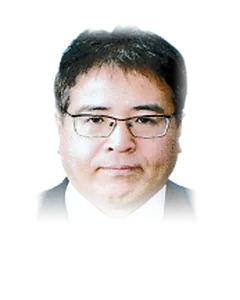
Mitsuo Tachibana
Japan Atomic Energy Agency, Japan
Experiences in preparing the decommissioning of reactor facilities at JAEA July 2015
Delegates from 57 countries
Earlier editions drew researchers and engineers from China, the UK, Korea, the US, Germany, Japan, India, Malaysia, the Gulf and across Europe.
Drag to turn the globe, or pick a country from the list.
- Delegate countries
- Aberdeen, the host city
Largest delegations at Energy7
- China
- United Kingdom
- South Korea
- United States
- Germany
- Japan
All 57 countries and regions
Europe 22
- Austria
- Belgium
- Czech Republic
- Denmark
- Estonia
- Finland
- France
- Germany
- Hungary
- Ireland
- Italy
- Netherlands
- Norway
- Poland
- Portugal
- Romania
- Russia
- Slovenia
- Spain
- Sweden
- Switzerland
- United Kingdom
Asia 13
- Azerbaijan
- Cambodia
- China
- India
- Indonesia
- Japan
- Kazakhstan
- Pakistan
- Philippines
- Singapore
- South Korea
- Taiwan
- Thailand
Middle East 10
- Iran
- Iraq
- Israel
- Jordan
- Kuwait
- Oman
- Qatar
- Saudi Arabia
- Turkey
- United Arab Emirates
Americas 8
- Brazil
- Canada
- Chile
- Costa Rica
- Mexico
- Paraguay
- Trinidad and Tobago
- United States
Africa 3
- Ghana
- Nigeria
- South Africa
Oceania 1
- Australia
Organisers
Dr Henry Tan
University of Aberdeen. Founder and chair of the ECM, Energy, Mechanics and Quantum symposia (2014–2018).
Dr Turan Mutallimov
University of Aberdeen.
Dr Nurhasnita Hamzah
University of Aberdeen.
How we run AXIS
Peer review
Every abstract will be reviewed by at least two members of the scientific committee.
Industry input
Every session pairs research with field experience.
Access
Student rates, discounts for delegates from lower-income countries, up to 20 student travel grants, a carers' fund, and remote talks by exception.
Conduct
A code of conduct that applies online and in person.
Take part in the first edition
Submit an abstract, become a partner, or join the scientific committee as a reviewer.